
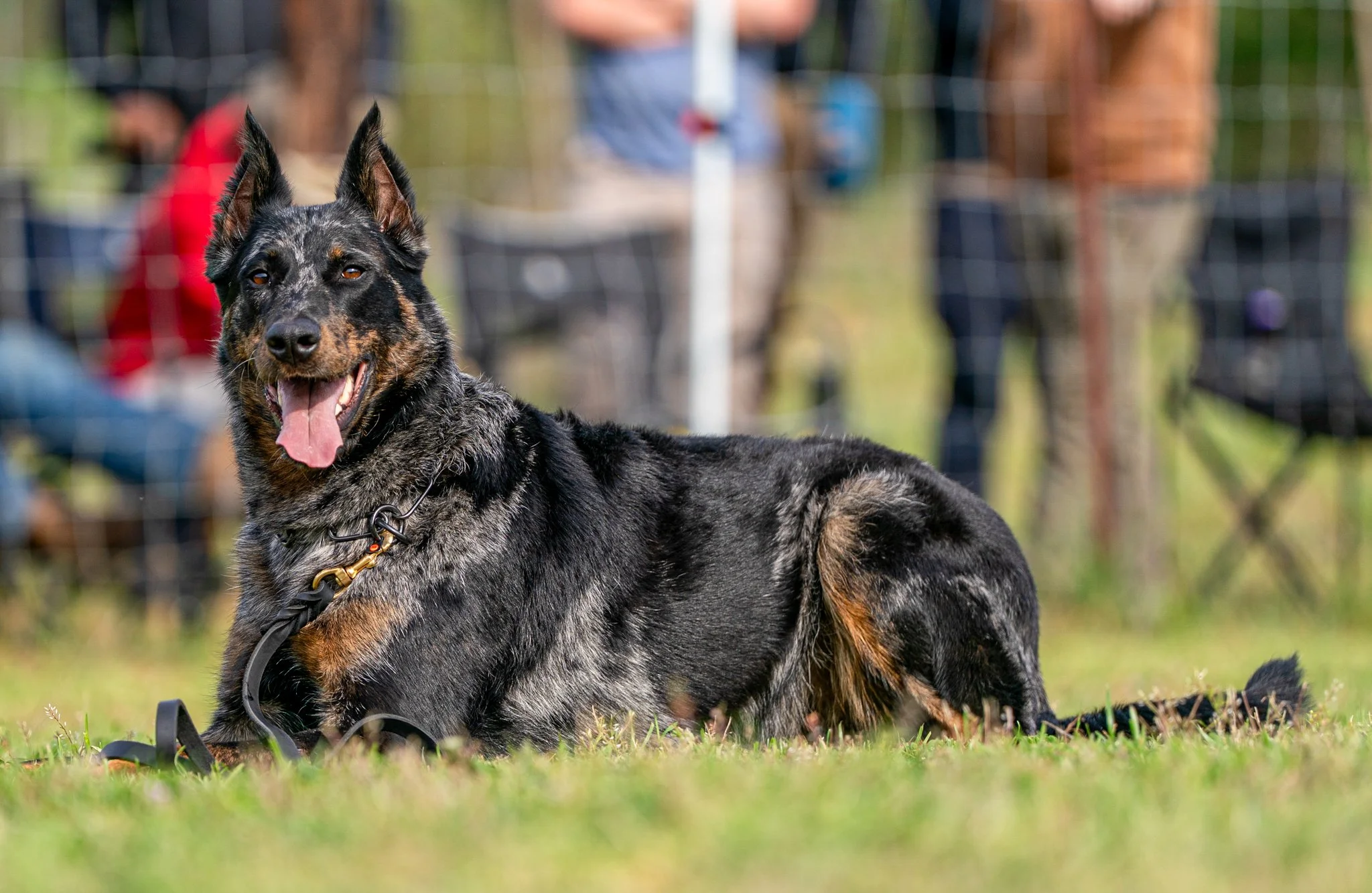
The Beauceron
The Beauceron.
Pronunciation Bo-sir-ron
The Beauceron
Berger de Beauce
Bas Rouge
French Shepherd
The Beauceron Berger de Beauce Bas Rouge French Shepherd
The Beauceron is imposing and powerful, but also remarkably smart, spirited, and a versatile herder. Imagine a Border Collie's brain in a 100-pound body. They are especially beloved by women as a dashing but sensitive companion and protector.
Beaucerons are muscular, rugged, and large, standing as high as 27.5 inches at the shoulder, and yet graceful and in all ways balanced. Their dark black coats feature handsome squirrel-red accents, including the red feet that give the breed its French nickname Bas-Rouge ('red stockings'). They're also seen in a black-gray-tan coat. The long head is well chiseled, and the dark brown eyes project expression breed fanciers describe as frank and confident. They're not for novice owners, who might end up being owned by their dominant dog instead of the other way around. That said, well-trained and socialized Beaucerons are levelheaded watchdogs and guardians, especially good with the young, the small, and the defenseless.
About the Breed

-
Recommended Health Testing for Beaucerons
Hip Dysplasia: Breeding dogs should be OFA-certified (or equivalent) clear of hip dysplasia.
Eye Health: Annual eye exams by a veterinary ophthalmologist are recommended.
Heart Disease (DCM): Cardiac evaluations, including echocardiograms, are recommended every two years, including for older breeding dogs.
Hypothyroidism: Thyroid testing is encouraged for breeding stock.
GDV (Bloat): Beaucerons are at increased risk due to their size and deep chest. Owners should be familiar with the signs and symptoms.
OCD (Osteochondritis Dissecans): A developmental orthopedic condition influenced by genetics, nutrition, and growth management.
Allergies: Both environmental and food-related allergies can occur.
American Beauceron Club CHIC Recommendations: OFA hip certification, annual eye exams (CERF/CAER), and OFA cardiac evaluation with echocardiogram. Elbow and thyroid testing are also encouraged.
-
The Beauceron has a short, dense double coat that is low-maintenance but sheds heavily, especially during seasonal coat changes. Weekly brushing is recommended, with more frequent brushing during shedding seasons to help remove loose hair and promote a healthy coat. Regular nail trimming is also important, including the breed's distinctive double dewclaws on the rear legs, to ensure comfort and proper movement.
-
The Beauceron is a powerful, intelligent, and highly athletic breed that thrives on both physical exercise and mental stimulation. Best suited for experienced, active owners, they require daily activity and engaging challenges to stay happy and well-balanced. Beaucerons excel in a variety of canine sports and working activities, including herding, protection work, agility, carting, mushing, and skijoring. Regular exercise and purposeful training are essential for this energetic breed.
-
Early socialization and obedience training are essential for the Beauceron. Highly intelligent, loyal, and eager to work with their owners, Beaucerons generally learn quickly and respond best to firm, fair, and consistent training. Harsh or physical correction should be avoided. Early training should focus on managing common puppy behaviors such as jumping, mouthing, and overexcitement, helping them develop into well-mannered and confident companions.
-
The Beauceron should be fed a high-quality diet appropriate for their age, activity level, and overall health. Active or working dogs may require additional calories and nutrients, while less active dogs should be monitored to prevent excess weight gain. Treats can be useful for training but should be given in moderation. Fresh, clean water should always be available, and any dietary concerns should be discussed with your veterinarian.
What Is a Breed Standard?
A breed standard is a written description of the ideal characteristics, structure, movement, temperament, and appearance of a breed. It serves as a blueprint that guides responsible breeders in preserving the traits that allow a breed to perform the work for which it was originally developed.
Why Is It Important?
The principle of "form follows function" is central to every well-developed breed standard. A dog's physical structure, movement, coat, and temperament are not simply matters of appearance, but they are directly tied to the breed's historical purpose and ability to do its job effectively.
For the Beauceron, a breed developed as a versatile French herding and guardian dog, traits such as strength, endurance, intelligence, sound movement, and stable temperament are essential. Maintaining these characteristics helps ensure the breed remains capable of performing the tasks it was designed for while also supporting long-term health and soundness.
Breed standards provide breeders, judges, and owners with a common goal: preserving the Beauceron as a functional, healthy, and recognizable breed for future generations. They help prevent the gradual loss of important working traits and ensure that breeding decisions are based on more than appearance alone.
The Standard
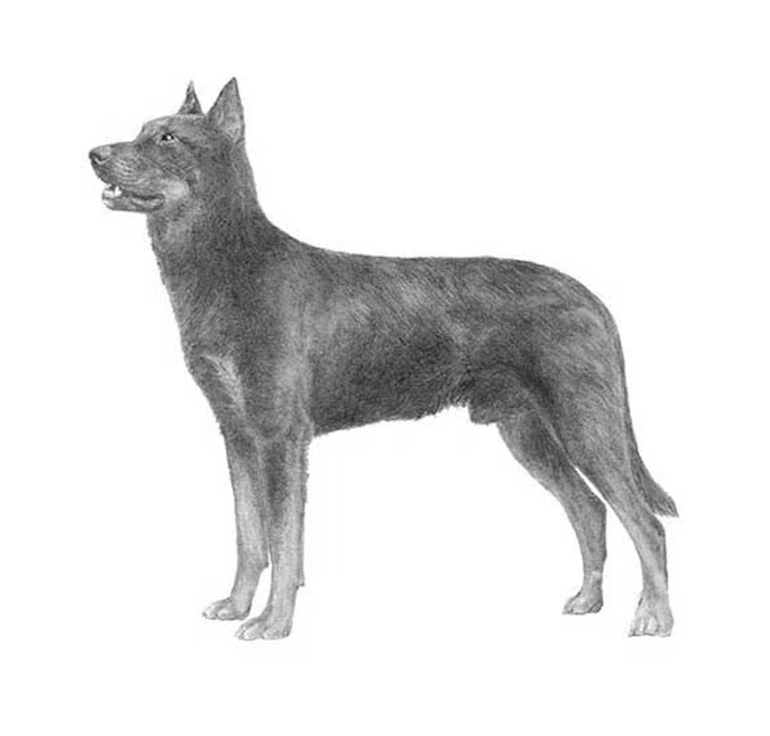
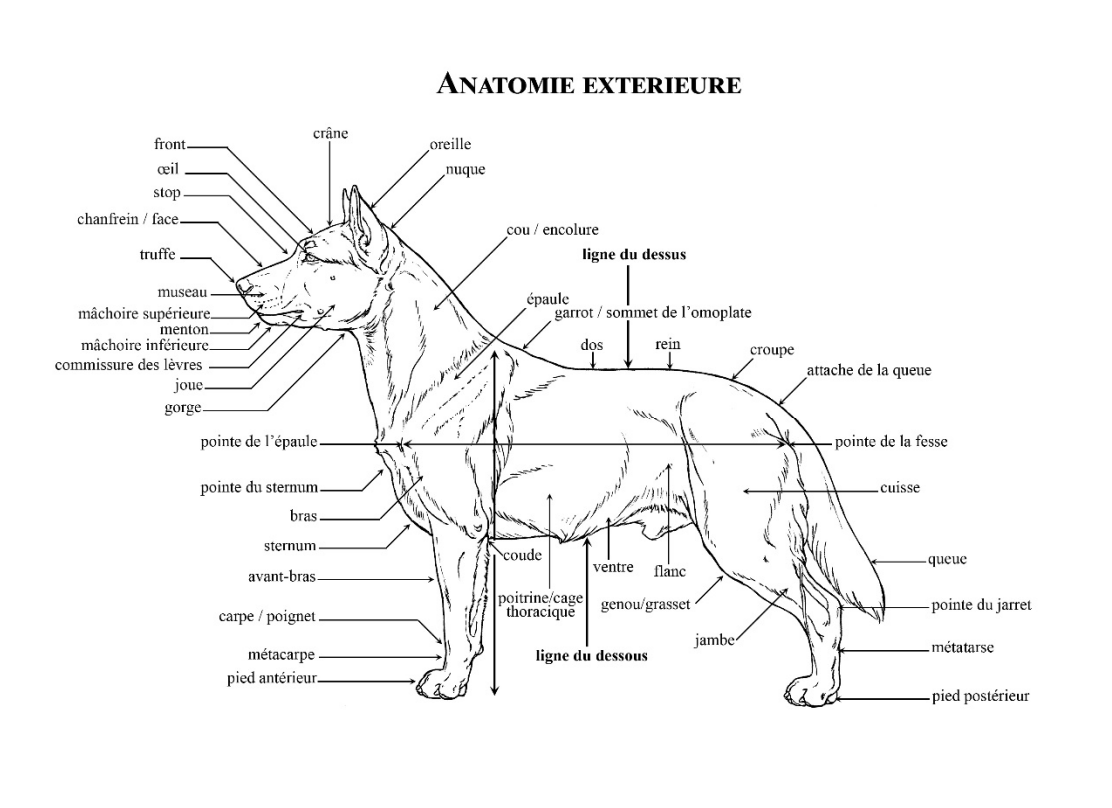
The Beauceron is a confident, intelligent, and versatile working breed known for its loyalty and devotion to its family. Originally developed in France as a herding and guardian dog, the breed combines strength, stability, and trainability with a natural instinct to protect.
A well-bred Beauceron should be:
Confident and self-assured without being aggressive or fearful.
Loyal and devoted to its family and handlers.
Protective and discerning, naturally aware of its surroundings and capable of assessing situations calmly.
Intelligent and highly trainable, excelling in obedience, sport, service work, and real-world working roles.
Stable and environmentally sound, able to recover quickly from stress and remain composed in new situations.
Socially neutral, accepting of strangers when appropriate while maintaining natural watchfulness.
The ideal Beauceron possesses both the drive to work and the ability to settle in the home, making them capable partners, competitors, and family companions. Above all, the breed should demonstrate courage, clear-headedness, and sound temperament—the qualities that have made Beaucerons trusted working dogs for generations.
Temperament
The Journée du Beauceron
The Beauceron Journée is a breed evaluation hosted by Beauceron clubs that assesses a dog's temperament, structure, and overall adherence to the breed standard.
During the evaluation, judges examine the dog's physical structure (morphology), movement, character, confidence, and working aptitude. One of the most recognized portions is the temperament test, where dogs are scored in areas such as stability, courage, and sociability. Scores are given on a scale of 1-10, with a perfect score of 9-9-9 considered exceptional.
Dogs also receive a morphology rating based on how closely they match the Beauceron breed standard. Ratings such as Excellent and Excellent Plus indicate superior breed type and structure.
For breeders, the Journée provides valuable information about a dog's temperament and conformation, helping preserve the Beauceron's working ability, sound character, and breed integrity for future generations.
How is this measured?
Original Purpose
In its traditional rural role as a herding dog, the Beauceron was required to cover up to 30 miles a day, working as a “living fence” around a flock or herd. It is a shepherding breed rather than a gatherer, unlike the Border Collie. The Beauceron is a Continental herder and must be trained to perform structured herding tasks. It will not instinctively go out and gather sheep or work a pen.
While the breed has a natural affinity for livestock, it does not typically balance or collect a flock on instinct alone. Instead, its working ability develops through guidance, training, and clear expectations, reflecting its thoughtful and deliberate nature in the field.
Herding
With their physical capabilities combined with a strong work ethic, the Beauceron excels in a wide range of working roles. They are used successfully in search and rescue, as well as in detection work, bite work, and service roles. Their natural tendency to focus, solve problems, and work cooperatively with people makes them highly trainable when given clear structure and consistent expectations.
The Beauceron is typically reserved rather than overly social, often showing indifference toward unfamiliar people and animals. At the same time, they maintain close attention to their handler and tend to stay reliably near, even when working off leash. This combination of independence and attachment makes them both capable and dependable in demanding environments.