
What Is Relationship Based Dog Training?
You might have heard the term thrown around “relationship based training” and wondered what it actually means in practice. Is it just being nice to your dog? Letting them do what they want? Treating them like a human?
Not quite. Let's break it down.
It Starts With the Relationship
The relationship between you and your dog is the foundation everything else is built on. Before you worry about commands, before you tackle recall or lead walking, you invest in who you are to your dog.
That means your dog sees you as someone worth listening to: consistent, fair, and worth working for. Someone who rewards generously when they get it right, and who communicates clearly when they don't. That combination is what builds real trust, and real trust is what makes training actually stick.
It's a Two-Way Street
This approach isn't just about how you train your dog, it's about how you understand them too. You learn to read your dog. What motivates them, what stresses them, what they find easy, what they find hard.
When you understand your dog as an individual, training becomes a conversation rather than a lecture. You reward what works, you redirect what doesn't, and you adjust as you go. You're not just issuing instructions and waiting for compliance, you're communicating, and that communication runs both ways.
Rewards and Boundaries — Both Matter
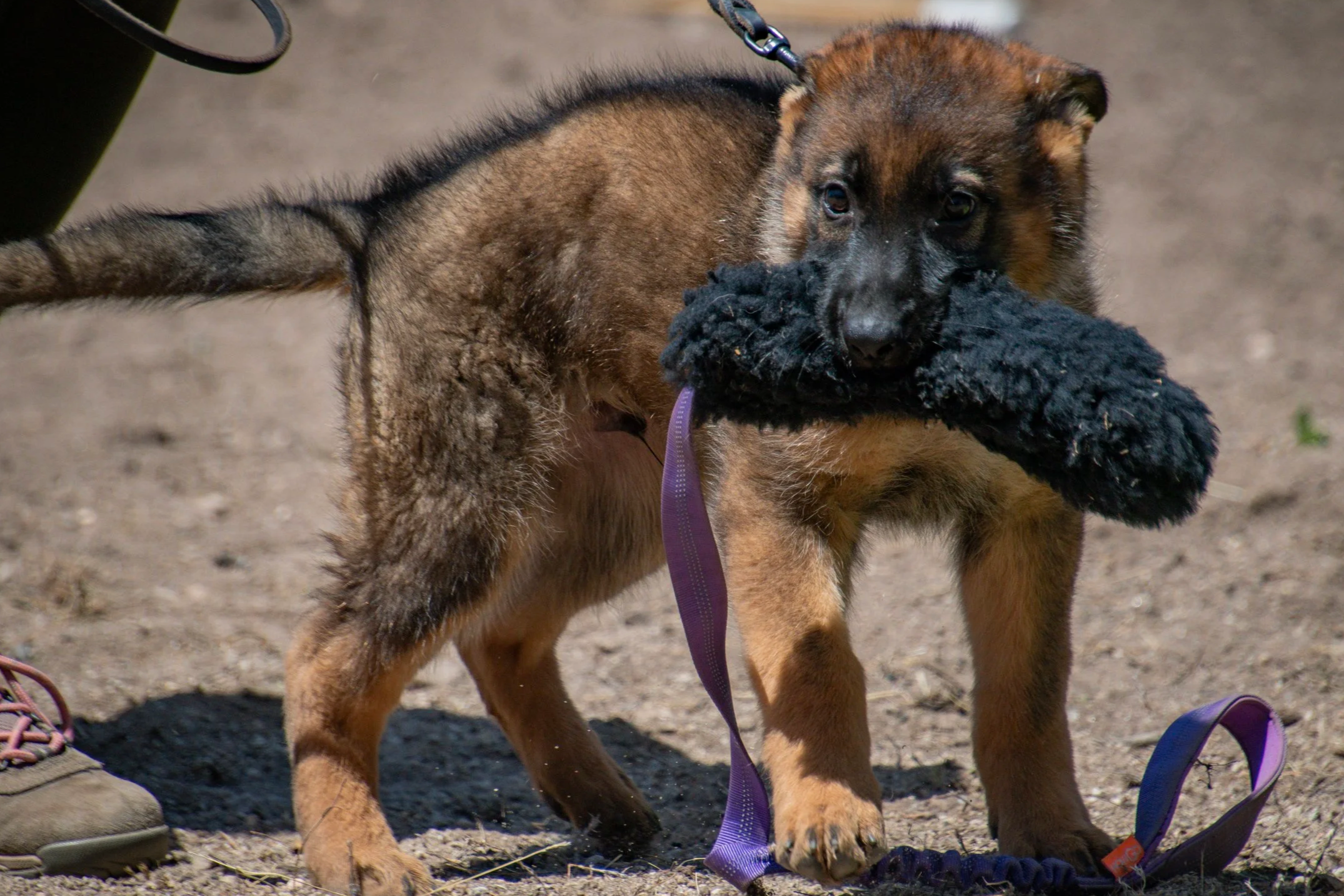
Here's the honest version: we use rewards heavily. Food, toys, praise, play and whatever your dog finds motivating, we use it. Positive reinforcement is one of the most powerful tools available and it sits at the heart of how we build new behaviours and keep dogs engaged.
But rewards alone don't give a dog the full picture. A good relationship isn't one without boundaries— it's one where the boundaries are clear, fair, and consistent. When a dog genuinely understands what's being asked of them and makes the choice to ignore it anyway, that gets addressed. Calmly and proportionately but it gets addressed.
A well-timed correction isn't a relationship breaker. It's part of the same communication. What damages the relationship is being unpredictable like losing your temper, or correcting a dog who never understood what was expected in the first place. That's not fair, and dogs know the difference.
The Result
When communication is clear, trust builds naturally. Your dog isn't guessing what you want because the expectations are clear. They're motivated to work with you not because they have to, but because the relationship you've built together makes them want to.
Corrections play an important role in that. Not to intimidate, but to give structure. To teach boundaries. To fill in the parts that rewards alone can't reach because a dog without boundaries isn't a confident dog, they're a confused one. When corrections are fair and consistent, they don't undermine the relationship; they strengthen it, because your dog learns they can trust your communication in every direction.
That's what this is really about: a dog who's clear on what's expected, motivated to get it right, and secure enough in your relationship to handle being told when they've got it wrong.